
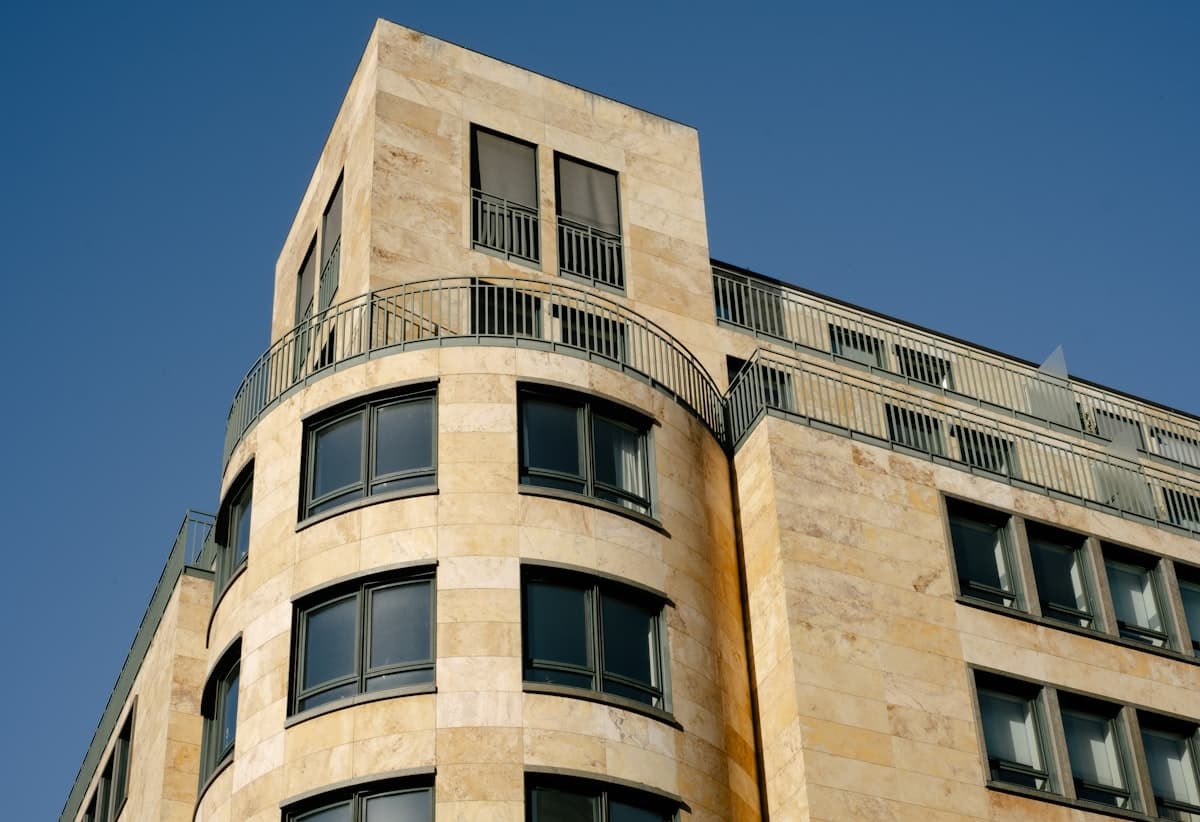
Baldwin County has spent the last decade building a reputation as one of the fastest-growing counties in the Southeast. Most of the attention has focused on single-family homes and vacation condos along the beaches of Gulf Shores and Orange Beach. But a quieter story is unfolding — one that experienced real estate investors are starting to notice. The fundamentals for multi-family housing in Baldwin County are aligning in a way that makes this market worth serious attention.
Population growth, major industrial development, healthcare expansion, and a persistent gap between housing supply and demand are creating conditions that favor multi-family investment across several Baldwin County submarkets. Here is why, and where to look.
Population Growth That Shows No Signs of Slowing
Baldwin County's population reached 267,761 as of July 2025, a gain of more than 6,100 residents in a single year. The Daphne-Fairhope-Foley metropolitan statistical area ranks as the sixth fastest-growing metro in the United States for the current decade. At this pace, the county is projected to surpass 300,000 residents by the 2030 census.
This is not speculative growth driven by a single employer or a temporary trend. Baldwin County's population expansion is broad-based, fueled by retirees relocating from higher-cost states, young families drawn to the quality of life and relative affordability, remote workers choosing coastal living, and a growing industrial workforce. That diversity of demand is exactly what multi-family investors look for — it means occupancy does not depend on any single economic driver.
The growth rate of roughly 2.3 percent annually is nearly four times the Alabama state average. Even as national population growth has slowed, Baldwin County continues to attract new residents at a pace that the existing housing stock simply cannot absorb.
Job Growth Is Accelerating — and It Needs Housing
Two transformative industrial projects are about to reshape Baldwin County's employment landscape, and both will generate significant demand for rental housing.
Novelis is completing a $2.5 billion aluminum manufacturing facility at the South Alabama Mega Site in Bay Minette — the first fully integrated aluminum mill built in the United States in 40 years. The plant is on track to open in fall 2026 and will employ approximately 1,000 workers at an average annual salary of $65,000. These are the kinds of jobs that support $1,400 to $1,800 monthly rents — solidly in the sweet spot for workforce multi-family housing.
Port Alabama Industrial Center in Loxley is a 900-acre industrial development that will feature up to 12 million square feet of Class A industrial and logistics space. Phase one alone is expected to create more than 1,000 jobs. With its proximity to the Port of Mobile and direct highway access, this project is designed to attract national distribution and manufacturing tenants for years to come.
Together, these two projects represent over 2,000 new jobs in a county where the existing rental inventory is already tight. Add the ongoing expansion of tourism-related employment in Gulf Shores and Orange Beach — where the hospitality industry needs thousands of seasonal and year-round workers — and the demand picture becomes compelling.
Healthcare is another growing employment sector. Baldwin Health recently completed a 200,000-square-foot hospital expansion in Foley, and Infirmary Health has invested over $26 million in new facilities in Daphne and Foley. USA Health opened a 50,000-square-foot medical campus in Fairhope. Each of these expansions brings physicians, nurses, technicians, and support staff who need housing — many of them renters in their first years in a new market.
Where the Opportunities Are
Not every Baldwin County submarket presents the same multi-family investment thesis. Here is how I see the landscape breaking down.
The Foley Corridor is the most active opportunity zone. Foley sits at the intersection of I-10, the Foley Beach Express, and Highway 59 — the commercial gateway between the interstate and the beaches. The Novelis plant in Bay Minette is a 20-minute drive north. Port Alabama Industrial Center in Loxley is 15 minutes east. OWA, the entertainment and mixed-use district operated by the Poarch Band of Creek Indians, has announced The Waters at OWA, a proposed 150-acre multi-family residential development adjacent to the existing complex. This is a strong signal that sophisticated developers see the same demand dynamics playing out. Average rents in the Foley area currently run $1,200 to $1,400 for a two-bedroom apartment, with room for growth as job creation accelerates.
The Eastern Shore — Daphne and Fairhope — commands premium rents thanks to top-rated schools, a charming downtown in Fairhope, and easy access to Mobile via I-10. Average rents in Daphne run approximately $1,380 per month, while Fairhope averages closer to $1,550 and has seen double-digit rent growth year over year. The challenge here is land cost and entitlement complexity, but the demand profile supports Class A multi-family product targeting young professionals and medical workers.
Gulf Shores and Orange Beach present a different angle. Long-term residential rentals in these beach communities average $1,450 to $1,500 per month, but the real story is the workforce housing shortage. The tourism industry in Gulf Shores and Orange Beach generated $1.42 billion in visitor spending in 2025 and welcomed 8.4 million visitors. That level of economic activity requires a massive service workforce — restaurant staff, hotel workers, retail employees, maintenance crews — and there is simply not enough affordable rental housing near the beach to house them. Workforce-oriented multi-family development south of the Intracoastal Waterway could command strong occupancy and stable rents year-round.
The Workforce Housing Gap
This is the core thesis for multi-family investment in Baldwin County. Home prices in the county have more than doubled over the past decade, with the average sale price rising from approximately $210,000 in 2011 to over $506,000 in 2025 — an increase of more than 140 percent. That appreciation is great news for homeowners, but it has priced a growing share of the workforce out of homeownership.
When a hospitality worker, a medical technician, or an entry-level manufacturing employee cannot afford to buy, they rent. And when the rental supply does not keep pace with demand, rents rise and occupancy stays high — the exact conditions that make multi-family investments perform.
Baldwin County's building pipeline has historically focused on single-family subdivisions and luxury condominiums. Multi-family development has lagged behind demand, creating a supply-demand imbalance that investors can capitalize on.
What Investors Should Know
Cap rates in coastal Alabama secondary markets currently range from 5.5 to 6.25 percent for stabilized multi-family properties, with value-add opportunities potentially yielding higher returns. These rates compare favorably to primary Sunbelt markets like Nashville, Tampa, and Charleston, where cap rates have compressed below 5 percent. National multi-family cap rates have stabilized near 5 percent after expanding between 2022 and 2024, and forecasters expect gradual compression in 2026, which could benefit early investors in emerging markets like Baldwin County.
Insurance costs are a critical factor in any coastal Alabama investment. Wind and flood insurance premiums are higher here than in inland markets, and they have been rising. Budget 1.5 to 2.5 percent of property value annually for comprehensive coverage. This is a real cost that must be underwritten carefully, but it also serves as a barrier to entry that limits competition from less experienced investors.
Property management matters more in a market like this than in a major metro. Investors should work with local management companies that understand the seasonal rhythms of the Gulf Coast, the tenant profiles in each submarket, and the maintenance demands of a humid coastal environment. The difference between a well-managed and poorly managed multi-family property in Baldwin County can be 10 to 15 percentage points of occupancy.
Property taxes in Alabama remain among the lowest in the nation, which directly improves net operating income compared to similar investments in Florida or Texas.
Current and Planned Developments
The development pipeline is starting to respond to demand. The Waters at OWA, the 150-acre multi-family project in Foley, is the most significant planned development. Located adjacent to the OWA entertainment district and near the Foley Beach Express, it is positioned to serve workers at nearby industrial sites, hospitality employees commuting to the beaches, and residents who want walkable access to dining and entertainment.
Phoenix Key in Orange Beach, a luxury 56-unit Gulf-front tower by Brett/Robinson, represents the high end of the market and is expected to deliver in 2026. While this is a different product type, its success will signal continued investor confidence in the coastal Baldwin County market.
New construction permits in Baldwin County rose 8 percent year over year heading into 2026, and several large-scale residential projects along the Foley Beach Express corridor are nearing completion. However, the majority of this activity remains single-family focused, leaving the multi-family segment underserved relative to demand.
The Long View
Baldwin County's multi-family investment thesis is not about a single catalyst — it is about the convergence of multiple long-term trends. Population growth that has been sustained for over a decade. Industrial job creation on a scale the county has never seen. A tourism economy that continues to set records. Healthcare expansion that brings stable, well-paying employment. And a housing market where rising home prices push more residents into the renter pool each year.
Compare this to other coastal growth markets. Myrtle Beach, the Florida Panhandle from Pensacola to Destin, and the Mississippi Gulf Coast all share some of these characteristics, but few combine population growth, industrial development, tourism, and relative affordability the way Baldwin County does. The county's proximity to Mobile — with its port, its Airbus manufacturing facility, and its shipbuilding industry — adds another layer of economic diversity that supports long-term rental demand.
For investors willing to underwrite insurance costs carefully, partner with strong local management, and take a five-to-ten-year view, Baldwin County's multi-family market offers a combination of yield, growth, and downside protection that is increasingly hard to find on the Gulf Coast. The window of opportunity exists now, before cap rates compress further and the development pipeline catches up to demand.
If you are evaluating multi-family investment opportunities in Baldwin County — whether existing properties, new development, or land acquisition — I can help you understand the submarket dynamics, connect with local partners, and identify properties that align with your investment criteria.