
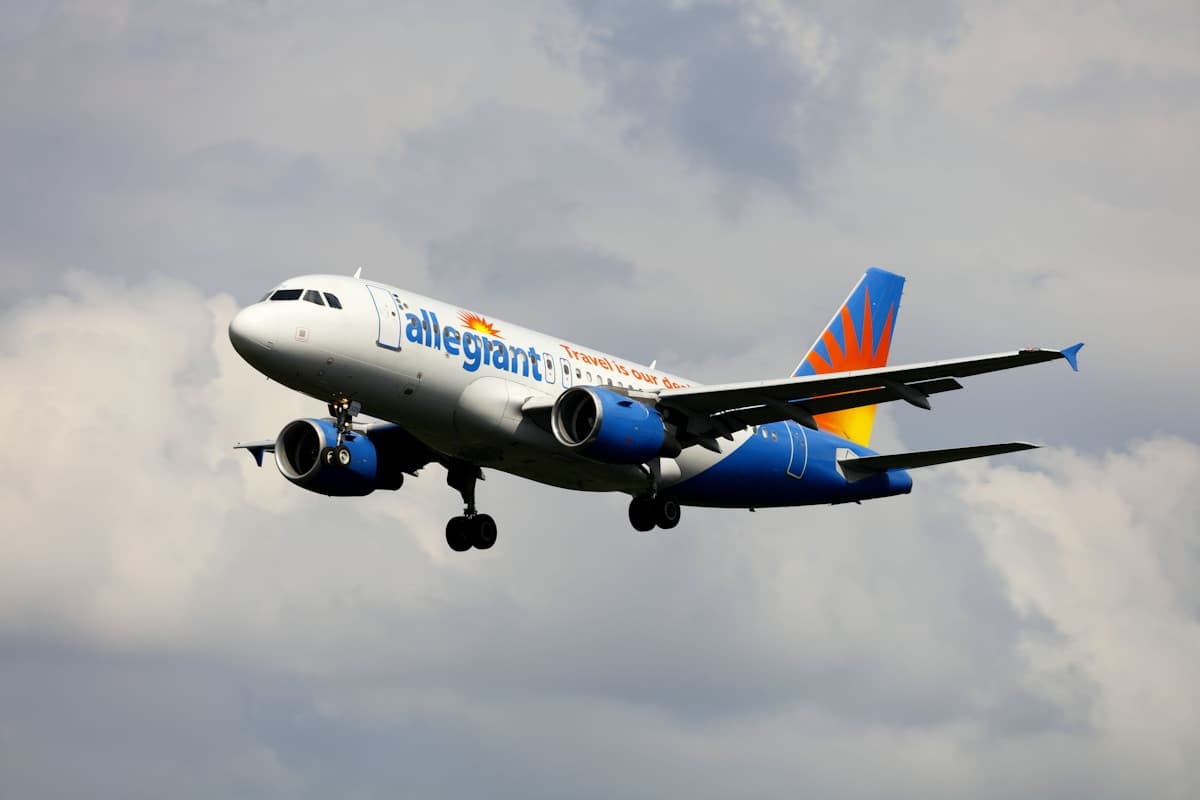
For decades, getting to the Alabama Gulf Coast by air meant flying into Pensacola or Mobile and driving an hour or more to reach the beach. That changed in May 2025 when Allegiant Air launched commercial service from Gulf Shores International Airport, and the ripple effects on the local real estate market are already becoming clear. What was once a small general aviation field — formerly Jack Edwards National Airport — is now a growing commercial gateway, and it is fundamentally changing how buyers, investors, and visitors think about Gulf Shores, Orange Beach, and the broader Baldwin County market.
A New Front Door for the Gulf Coast
Gulf Shores International Airport sits on 838 acres just three miles from the beach. When Allegiant began service in May 2025, it marked the first commercial flights at the airport in over a decade. The response was immediate. According to airport officials, nearly half of Allegiant's passengers in the first year had never visited Alabama's beaches before, and 80 percent said they plan to return more often now that nonstop flights are available.
That statistic alone tells the story. The airport is not just making existing trips more convenient — it is opening the Gulf Coast to entirely new audiences who previously chose other destinations because they were easier to reach.
The airport is now undergoing a $15 million terminal expansion designed by Fentress Architects, the firm behind Denver International Airport. The new terminal will accommodate two aircraft simultaneously, with expanded gate areas, a larger baggage claim, and increased curbside capacity. Groundbreaking is planned for summer 2026 with completion targeted for May 2027. LuLu's, the iconic Gulf Shores restaurant, has signed on as the terminal's dining partner — a detail that signals just how seriously the community is investing in the passenger experience.
Routes and Connectivity
Allegiant currently serves 13 nonstop destinations from Gulf Shores, with flights typically running twice weekly per route. The network covers a broad swath of the central and eastern United States:
Current nonstop cities include: Austin, Asheville, Cincinnati, Indianapolis, Knoxville, Nashville, Pittsburgh, Orlando Sanford, St. Louis/Belleville, Fayetteville/Bentonville, Kansas City, Des Moines, and Appleton/Green Bay.
Five new routes launching May 2026: Springfield (Missouri), Louisville, Huntsville, Omaha, and Oklahoma City.
This route map is strategic. Allegiant specializes in connecting mid-size cities to leisure destinations, and every one of these markets represents a population center full of potential vacationers, second-home buyers, and retirees who are now just a direct flight away from the beach. Most flights are under three hours, which makes weekend trips and short getaways practical in a way they never were when driving was the only option.
What Airport Access Means for Property Values
The relationship between airport connectivity and real estate values is well documented in comparable coastal markets. The pattern is consistent: when a leisure destination gains convenient air service, visitor numbers rise, rental demand increases, and property values follow.
Punta Gorda, Florida offers the closest parallel. When Allegiant established its hub at Punta Gorda Airport, the surrounding Charlotte County market saw dramatic growth. Home values in the area appreciated over 125 percent in the decade following the airport's expansion as an Allegiant base, with the airport now serving roughly 30 nonstop destinations. While multiple factors contributed to that appreciation, real estate professionals in the market consistently point to air access as a catalyst that put Punta Gorda on the national map for buyers who had never considered it before.
Myrtle Beach, South Carolina tells a similar story. The expansion of Myrtle Beach International Airport, including the addition of Southwest Airlines, helped push annual passenger counts to 1.76 million and fueled sustained property value growth across the Grand Strand. The airport's recent $93.5 million terminal expansion reflects the feedback loop between air service, tourism, and real estate demand.
Gulf Shores is in the early chapters of this same story. The infrastructure is being built, the routes are expanding, and the first-time visitors are arriving. History suggests that markets in this position tend to see accelerating appreciation over the following three to five years as awareness builds and demand compounds.
Impact on Vacation Rentals and Tourism
The tourism numbers already support the thesis. Visitors to Gulf Shores and Orange Beach spent a record $923 million on lodging in 2025, up from $871 million in 2024 and more than double the figure from a decade earlier. Total visitor spending reached $1.42 billion, and the area welcomed 8.4 million visitors. Spring 2026 occupancy rates are running 7 percent ahead of last year.
For vacation rental owners, the airport changes the math in two important ways. First, it extends the booking window. Guests who drive eight or ten hours tend to come only during peak summer weeks. Guests who fly in under three hours are more willing to book shoulder-season weekends in March, April, October, and November. That expanded season can mean the difference between a property that breaks even and one that generates meaningful cash flow.
Second, the airport expands the renter pool. Properties that previously competed for the same regional drive-market guests from Birmingham, Atlanta, and Nashville now have access to travelers from Pittsburgh, Indianapolis, Austin, and a dozen other cities. More demand for the same inventory supports higher nightly rates and better occupancy — the two numbers that drive rental income.
Commercial Real Estate Implications
The airport's impact extends well beyond vacation condos. Commercial real estate in Baldwin County stands to benefit significantly as increased visitor traffic supports retail, dining, and hospitality development. The Highway 59 corridor between Foley and Gulf Shores is already seeing accelerated commercial activity, and the Foley Beach Express corridor — still in the early stages of development — is positioned to capture spillover demand as traffic volumes grow.
Medical tourism and professional services are less obvious but equally important beneficiaries. As the airport makes the area more accessible to a national audience, demand grows for supporting infrastructure: urgent care, dental practices, financial advisors, and the professional services that follow population growth.
Investors should also watch the hotel and boutique hospitality segment. While Gulf Shores and Orange Beach have traditionally been condo-rental markets, growing air traffic creates demand for traditional hotel products that serve shorter-stay visitors, business travelers, and event attendees.
Which Areas Benefit Most
Not every submarket will benefit equally. Here is where I see the strongest impact:
Gulf Shores is the most direct beneficiary. The airport is located in Gulf Shores, and properties closest to the beach will see the strongest demand from fly-in visitors. Condos and rental homes within a few miles of the airport and beach stand to gain the most in both rental revenue and appreciation.
Orange Beach benefits from the same visitor pool but adds the draw of upscale amenities, The Wharf entertainment district, and premium waterfront dining. Properties along Perdido Beach Boulevard and the back bays are well positioned for buyers arriving from markets like Austin, Nashville, and Pittsburgh who are accustomed to higher price points.
Foley is the sleeper pick. As the commercial gateway between I-10 and the beaches, Foley captures both pass-through traffic and residents who want coastal proximity at a lower price point. The combination of airport access, outlet shopping, and new residential development makes Foley increasingly attractive to relocators who discover the area through a vacation flight.
Baldwin County as a whole benefits from the rising tide. Population growth, infrastructure investment, and tourism revenue create a self-reinforcing cycle. Communities from Fairhope to Robertsdale gain as the airport raises the profile of the entire region.
Even the Florida side of the border — Perdido Beach and areas around Pensacola — may see indirect benefits as the Gulf Shores airport draws attention to the broader central Gulf Coast region.
Looking Ahead
The Gulf Shores International Airport is still in its early growth phase, and the trajectory is encouraging. Five new routes launching this May, a major terminal expansion breaking ground this summer, and record-breaking tourism numbers all point in the same direction. Markets that have followed this playbook before — Punta Gorda, Myrtle Beach, and others — have seen sustained real estate appreciation that outpaced regional averages for years after their airports expanded.
For buyers and investors considering the Alabama Gulf Coast, the airport represents a structural shift in the market's accessibility and appeal. Properties purchased today will benefit from infrastructure that is still being built and routes that are still being added. That is the kind of timing that tends to reward patient, informed buyers.
If you are evaluating how the airport changes the calculus for a specific property, neighborhood, or investment strategy, I am happy to walk through the numbers with you. The Gulf Coast market is evolving, and understanding these dynamics is essential to making smart decisions in 2026 and beyond.