
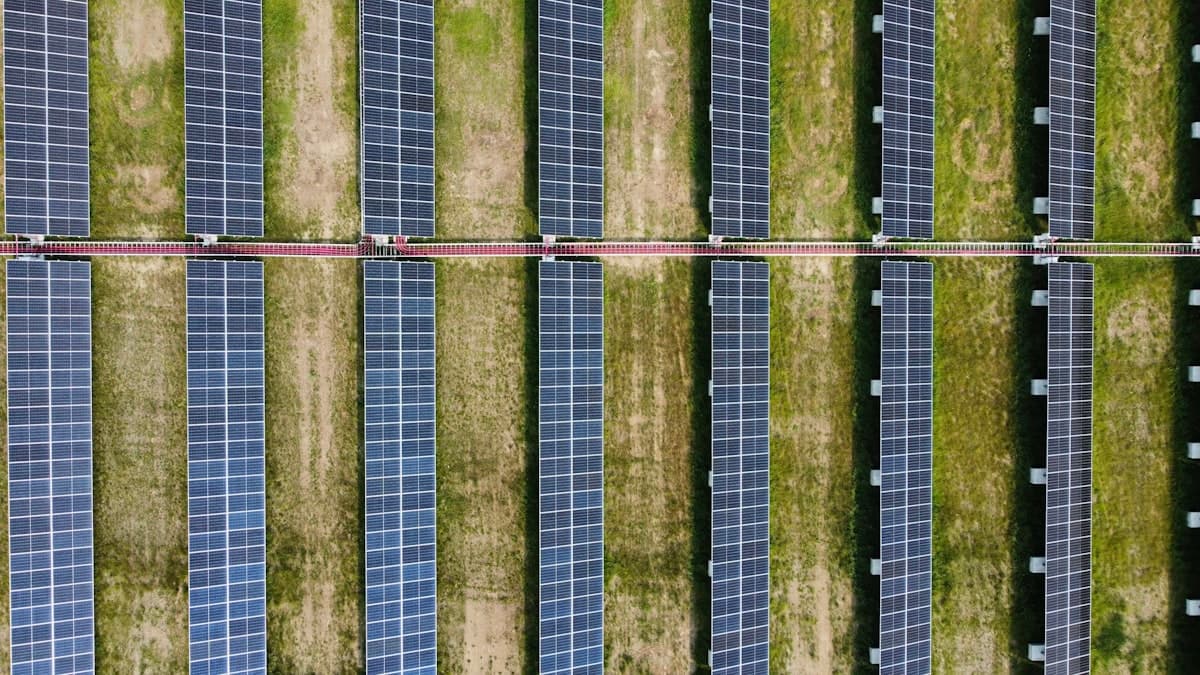
If you follow Baldwin County news, you have seen the headlines. A Nashville-based renewable energy company called Silicon Ranch wants to build a massive solar farm on 4,500 acres of forestland near Stockton, a small unincorporated community in north Baldwin County. The project would power a Meta data center south of Montgomery. And the community response has been anything but quiet.
This is not a typical real estate story, but it is a real estate story nonetheless. Large-scale land use changes affect neighboring property values, community character, and the regulatory environment for future development. Whether you own land in north Baldwin County, are considering a purchase there, or simply want to understand how this debate could shape the broader market, here is what you need to know.
What Is Being Proposed
The project involves two facilities — Stockton I and Stockton II — that would together generate 260 megawatts of electricity. Solar panels would cover approximately 2,000 acres of a 4,500-acre parcel. The remaining acreage would serve as buffer zones and undeveloped land. All electricity produced would be purchased by Alabama Power under 25-year agreements, with the output contracted to Dotier LLC, a Meta subsidiary.
The site sits in an unincorporated area of Baldwin County near the 260,000-acre Mobile-Tensaw River Delta — the second-largest river delta in the United States and an ecologically significant area that supports diverse wildlife habitats and recreational use.
Why Residents Are Concerned
The community reaction was swift and organized. When plans became public, a Facebook opposition group gained more than 2,000 members within 24 hours. Residents raised several concerns:
Environmental impact. The proximity to the Mobile-Tensaw Delta raised questions about water runoff, habitat disruption, and the long-term effects of converting thousands of acres of forestland to an industrial solar installation. Opponents point out that forests provide natural water filtration and wildlife corridors that solar panels do not replace.
Community character. Stockton is a quiet, rural community. Residents chose to live there precisely because it is not developed. A 4,500-acre industrial project — regardless of its environmental credentials — changes the fundamental character of the area in ways that many longtime residents did not anticipate and did not choose.
Process concerns. Because the Stockton area is unincorporated and unzoned, the project did not require the kind of public hearings and zoning approvals that would apply in Gulf Shores, Orange Beach, or Foley. Residents felt blindsided by a project of this scale moving forward without what they considered adequate community input.
Property values. Adjacent landowners worry about what a large-scale solar installation does to the value of neighboring residential and agricultural properties. While studies on this topic show mixed results nationally, the concern is legitimate and personal for families who have owned land in the area for generations.
The Legislative Response
The controversy quickly moved from local debate to the Alabama Legislature. State Senator Chris Elliott publicly opposed the project, calling it an intrusion that would affect quality of life in the community.
The Alabama House considered bills targeting solar farm development in Mobile and Baldwin counties. The Alabama Senate passed a bill that would have imposed a one-year moratorium on new solar facility construction statewide, giving legislators time to develop a regulatory framework. However, the moratorium bill failed to clear a late-session procedural hurdle and did not become law.
The legislative activity signals that Alabama is grappling with a question many states are facing: how to balance the economic benefits of renewable energy development with local land use concerns and community input, particularly in unzoned areas where large projects can advance without the public review processes that incorporated municipalities require.
What This Means for North Baldwin County Real Estate
For buyers and landowners in the Stockton area and surrounding north Baldwin County communities, the solar farm debate creates both uncertainty and, potentially, opportunity.
If you own land near the proposed site, the near-term uncertainty may affect marketability. Buyers tend to hesitate when a major land use question is unresolved. However, the strong community response and legislative attention suggest that future solar projects in the area will face more scrutiny and potentially new regulations, which could ultimately provide more predictability for property owners.
If you are considering purchasing land in north Baldwin County, understand the regulatory landscape. Unincorporated areas of Baldwin County do not have zoning — which means land use is governed primarily by state law, county regulations where they exist, and any deed restrictions or covenants on the property itself. This applies equally to solar farms, residential subdivisions, and commercial development. Know what can and cannot be built near a property before you buy it.
For the broader Baldwin County market, the solar debate is unlikely to affect coastal or mid-county property values. Gulf Shores, Orange Beach, Foley, and the Eastern Shore communities are incorporated municipalities with established zoning codes that govern development. The issues driving the Stockton controversy — unzoned land, large-scale industrial use, limited community input — do not apply in those jurisdictions.
The Bigger Picture
Baldwin County is growing. The population is projected to reach 300,000, driven by coastal tourism, the Novelis aluminum plant in Bay Minette, Port Alabama development, and the continued appeal of the Gulf Coast lifestyle. Growth of that magnitude inevitably brings land use conflicts — solar farms today, industrial parks tomorrow, residential density the day after.
The communities that navigate these conflicts well are the ones that invest in planning, zoning, and transparent development processes. Baldwin County's incorporated cities have generally done this effectively. The Stockton situation highlights the gaps that exist in unincorporated areas where those frameworks are less developed.
For real estate buyers and investors, the lesson is consistent regardless of where you are looking in the county: understand the land use environment before you commit. Know what is zoned, what is not, what is planned for adjacent parcels, and what regulatory tools exist to shape future development. These are the questions that protect your investment over the long term.
If you have questions about how the solar farm debate or any other development issue affects a specific area of Baldwin County, I am happy to discuss what I know and connect you with the right resources for your situation.